Ribbed for multiple uses
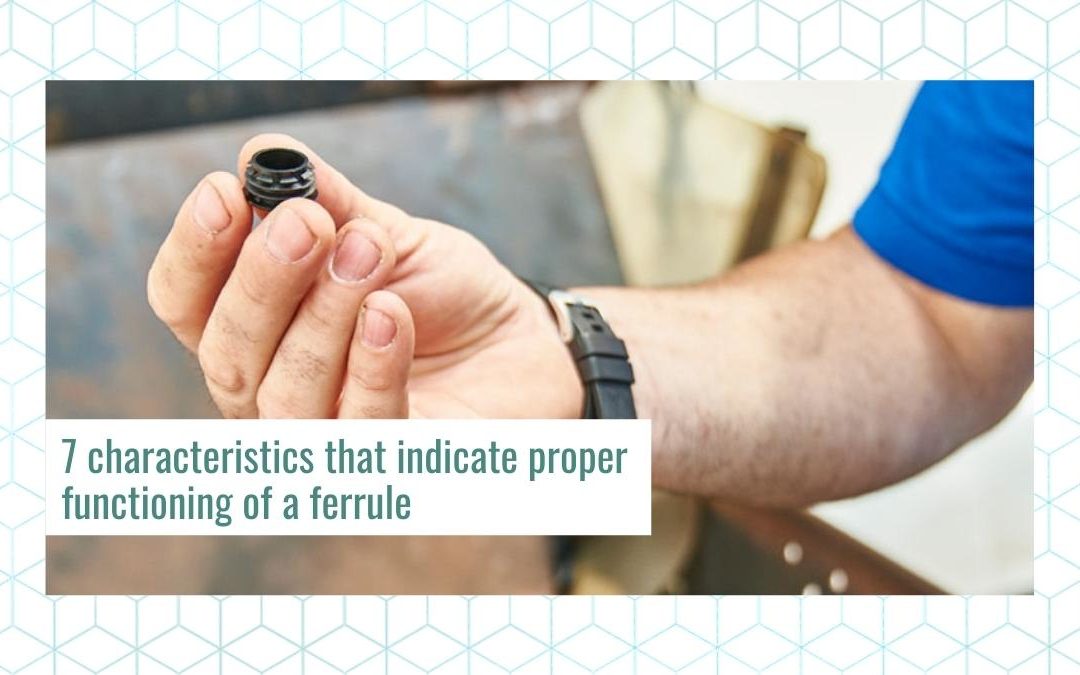
To affirm that a ribbed insert works well, first, its resistance must be discussed. A ferrule must be resistant, we already referred to it when we talked about its characteristics.
The proper functioning of a ferrule
The ribbed insert, being made of plastic or rubber, can be perfectly adapted to a terminal end as an internal or external plug. But what are those 7 characteristics that it must have to say that the operation of a ferrule is ideal?
1. Resistance
We already said it at the beginning, resistance is the main characteristic that indicates the proper functioning of a ferrule. And when we refer to the resistance of the ferrule, we are talking about the magnitude of the maximum stress that it can withstand without breaking. That is, it does not break easily.
2. Adaptability as a characteristic in the operation of a ferrule
Adaptability is the ability to redistribute stress concentrations resulting from sudden changes in shape or section or from defects, through the local plasticity of the areas adjacent to the cause of the concentration. Therefore, it depends on the plasticity capacity of the material and the reserve strength between yield and fracture. In this sense, materials with ductile behaviour are more adaptable than those with brittle behaviour.
Adaptability tells us that a given ferrule adapts to a tube, the leg of a chair, a piece of furniture, etc., determined. This adaptability is found in both rubber and plastic ferrules. Being those of external thread or those of internal thread.
3. Immobility
Immobility is what will make it stay fixed at the time the auction is placed. For the proper functioning of a ribbed insert, it is necessary that it does not move or be altered. Because, if an end cap of a cane or crutch is not attached, it can cause an accident. It can also happen in a piece of furniture or a machine in a factory.
4. Flexibility
Although it seems contradictory to the above characteristics, flexibility will also be a sign of the proper functioning of a ferrule. In fact, flexibility is a word that comes from the Latin flexus, ‘bent’. And in this sense:
It is the bending deformation capacity of a structural element. Therefore, flexibility is the inverse of bending stiffness and relates the forces and displacements of two points in a structure. In this way, to be able to adapt to a material, it is important that the plug is flexible to fit well in the place where it is installed.
If we have a tube and we have an external rubber cap, it must be adapted to be fixed. In the case of an internal one, when it expands, it will be fixed inside the tube.
5. Adhesion: essential in the functioning of a ferrule
The term adhesion derives from the Latin word adhaerere (in Spanish, “to adhere”). And in physics it describes, consequently, the adherence of two substances or bodies. The exact meaning of adherence is as follows:
Physical state of an interconnecting surface arising between two contacting phases (i.e., solids with negligible flow pressure). Being the peculiarity of this state is that the phases involved (unlike magnetism) are joined mechanically. Well, a block for a chair, or a metal ladder, whether rubber or plastic, must adhere to the ground to avoid slipping.
6. Fixation
That a ribbed insert is fixed well is essential because it depends on it to work correctly. And this one must be still and not danced. Thus, the cue must be well seated on a chair or on a cane or in any other place where it has been placed. This will make the feeling you give one of security.
It is also important that it is well fixed to avoid accidents, since if it moves in any direction, in addition to losing it, we can have an accident. For this reason, fixing is synonymous with the proper functioning of a ferrule.
7. Security: something that is not negotiable in the operation of a ferrule
And finally, security. This would be the main characteristic and that summarizes the previous ones. It must give us security and make us feel that we are not in any danger when using a metal ladder, a chair, or a table. In addition, we must feel safe when using furniture or machinery that have ferrules to make good use of it.

Ribbed for multiple uses
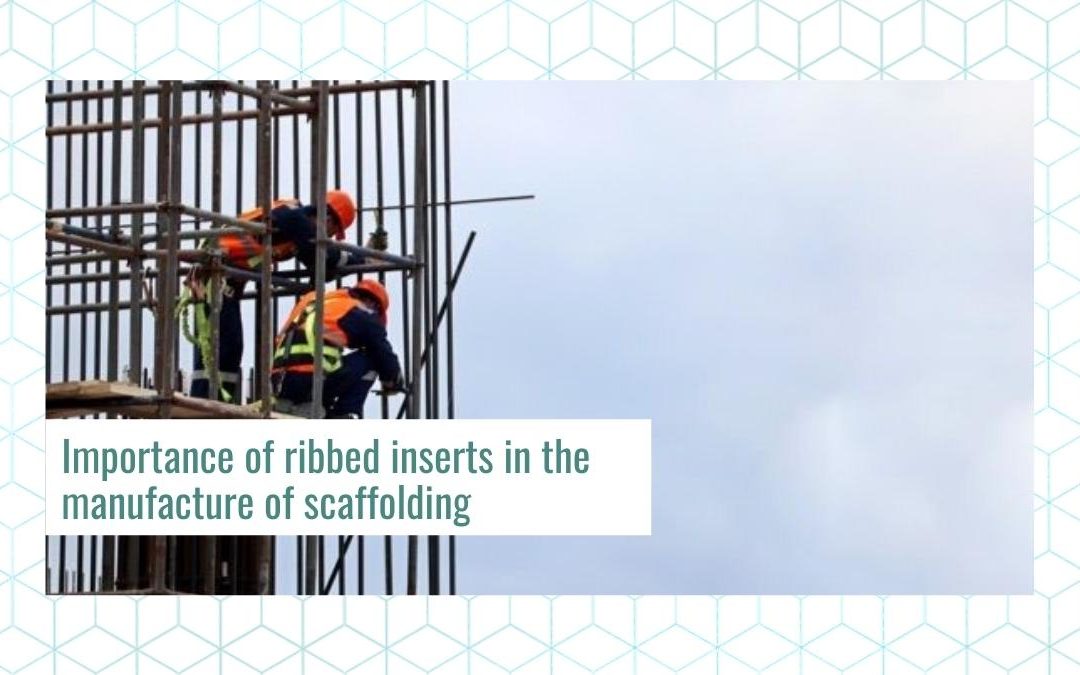
When we talked about our sectors of activity, we already referred to the manufacture of ribbed inserts for fence tubes and enclosures. Now, continuing along the same lines, we will talk about the importance of the manufacture of ribbed inserts and ribbed inserts for scaffolding.
First, in this article, we will define what a scaffold is. In the second point, we will talk about the importance of ribbed inserts in scaffolding and the need to manufacture ribbed inserts in constructions.
The manufacture of ribbed inserts helps us to always adapt to your needs because we have many models.
What is a scaffold?
The scaffold is a ”temporary work”, that is, a temporary service structure erected for construction, maintenance and renovation works. Three types of scaffolding are in use today: tube and joint (PTG) scaffolds, prefabricated frame scaffolds (PTP) and prefabricated post and beam scaffolds (PMTP), better known as ”multidirectional” scaffolds.
The importance of the ribbed inserts manufacturing has a lot to do with the types of scaffolding that we explain below.
Types of scaffolding and ribbed inserts manufacturing
Tube and joint type
The tube and joint type are the oldest and is very flexible as it can be used for a wide variety of façade surfaces. The negative aspects of this system are numerous. For example: the weight of the structure, the need to employ highly qualified workers, the longer assembly and disassembly times and, consequently, the higher costs.
Although this type of scaffolding has some negative aspects, we can influence flexibility. Being flexible is synonymous, in this case, with reusable. And that is very important because we can make the type of structure we want. And what is interesting, that we can adapt it to the desired structure.
In this case, we can place round-type ribbed inserts at the end of the scaffolding tube to prevent water from entering, thus avoiding its deterioration. They also serve to prevent insects from entering to nest inside.
No less relevant is the fact that the tips will also serve as non-slip. For this we will use the rubber ribbed inserts or also for exteriors.
Precast Frame Scaffold
Compared to the previous system, prefabricated frame scaffolding is less robust, making it easier to transport and quicker to erect. It has relatively low maintenance costs. However, it does not have the same flexibility as the previous system and, in fact, is suitable for linear and less complex architectural structures.
In this type of armour, we can use the plastic ribbed inserts for the upper part of the tube and the rubber stopper at the bottom. This will prevent water from entering and the structure from slipping.
Despite being less versatile than the previous structure, it is also easier to assemble. Another positive aspect is the ease with which it can be moved. For this, the manufacture of tips adapted to the different tubes is very interesting. Similarly, it is the adaptability of these.
Bridge on wheels or scaffolding
It is a mobile scaffold made up of metal tubes and planks (prefabricated elements) that has its own stability.
This type of structure also requires plastic plugs at the top. In this case, it is not only to prevent water from entering or an insect from nesting. It also serves to avoid being damaged by the end of the tube.
The in-house manufacturing of ferrules means that they can be adapted to any type of structure or scaffolding. Ask us for a budget and we will be happy to help you.
Ribbed for multiple uses
If you search the net, you can find lots of rubber end caps for chairs, tables, walking sticks and other utilities randomly. But if you’re looking for expert advice on choosing the best and right way for your needs, then you’ve come to the right place.
Rubber bumpers according to their shape
First, we must see what the real need is before choosing some rubber end caps or others. And it is that in FORTAPS we have all the rubber stoppers that you may need because we have them in multiple forms; we even have them square.
Rubber end caps as needed
You can also choose the rubber end caps according to their functionalities, since we may need them for some chairs, which can be different types and depending on the type, you must decide on one type or another. We might also need rubber feet for the dining or kitchen table legs. We may need the rubber plugs for the walking support stick that have been worn out by use… FORTAPS solves these problems for you because we have all kinds of plugs. You can also see the article detailing the types of rubber end caps and their common uses.
Silent movements: every time you move a chair or a table, does the sound of dragging on the floor bother you? With these earplugs you will never hear a noise again.
Protect the floor: protect the floor from possible scratches and erosion with the plugs.
These rubber feet for chairs and furniture are a protective barrier between the furniture and the floor.
They are easy to apply: these protectors for furniture do not need any adhesive to apply them, since they are made of rubber and can be screwed on.
But how do I choose them correctly?
It’s as simple as knowing the dimension you need. The size refers to the external diameter of the leg on which the ribbed insert is to be mounted. Thus, to the right extent, they are ideal for replacing and protecting the rubber ends of chairs, tables, stairs, ironing boards and other furniture legs. In addition, they serve to renew worn elements, reduce noise, and protect floors. But if you’re not sure of your measurements, ask for a measuring guide that has swatches of the right size to place the ferrule on the actual furniture leg. This will tell you what size you need.
However, remember that when measuring it is preferable to use a ruler, since this can be more precise than a tape measure, and a vernier calliper even better. And depending on the measurement obtained, you can look in the catalogue and you will know perfectly which is the most suitable stopper for your furniture. Remember that it is very necessary to check the diameter of the foot of the different pieces of furniture before purchasing the rubber stoppers, since the appropriate size will give you a better experience. For this, these must be:
- Wide use: the rubber stoppers can be installed on all furniture: chairs, stools, tables, folding chairs, consoles, TV cabinets, sofas.
- High quality: made of vulcanized rubber, non-slip and wear resistant. And you won’t need nails or glue to install them, you can install them directly, they are very solid and won’t move at will.
- Easy to install – we have a variety of sizes for you to choose from.
- Suitable for the floor: The wooden floors you may have in the house are very easy to scratch but using our rubber chair end caps can prevent scratches on the floor, and the floor can be better protected and have a longer life.
Choosing the rubber end cap is not that difficult, the only thing you must be clear about is your need and search our website for the model that best suits you. And remember that vulcanized rubber gives us very good results, standing out for its aesthetics, hygiene and safety, anti-slip, and shock absorption.
Contact us and we will be happy to assist you and give you our expert advice.
Ribbed for multiple uses
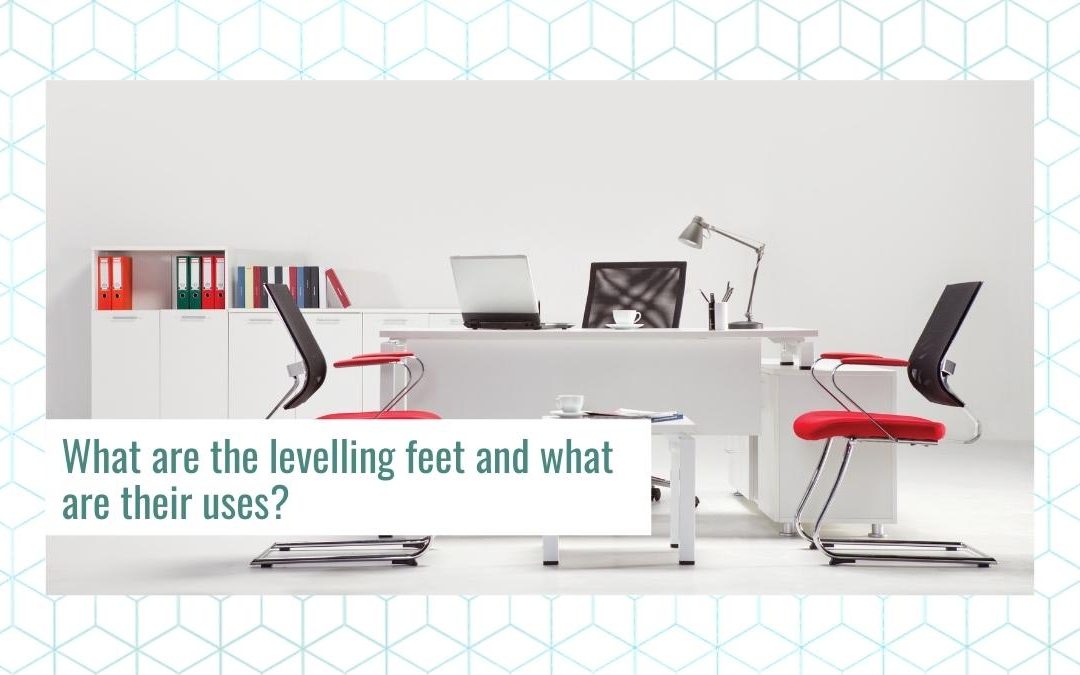
The uses of the levelling feet can be in different ways and are used to stabilize a wide range of furniture. In addition, with the height adjustment feature that allows the furniture to be levelled when installed on uneven ground.
There are a wide variety of combinations and sizes available, meaning there is a type to suit every application. At FORTAPS, spindles can be combined with various types of threaded feet, allowing customers to specify the use of levelling feet to their exact needs.
Different uses of levelling feet
When raising a piece of furniture:
One of the most popular uses of this type of feet is to lift a piece of furniture. The longer the thread size, the more height you can add by screwing/unscrewing to the required height. Most feet provide stability even on the longest thread sizes to prevent wobbling.
To level an object:
In addition to being able to add height to an object, specific types of adjustable feet are designed specifically for use in levelling. These include articulated and tilted feet. This design is recommended for uneven floors or applications with different height levels.
To reduce vibration and noise:
When looking to reduce the vibrations and noise experienced by a foot, these products are ideal. They allow a greater distance between the ground and the object in question, which reduces vibrations and general noise that might otherwise have prevailed.
When frequent height adjustment is required:
Another common use for levelling feet includes their use as height adjusters. This allows you to raise or lower an object according to your needs. This is frequently seen in portable racks and stalls, where they are periodically adjusted to suit daily needs. For this ease, slotted heads and polyamide feet are suggested. Why use adjustable feet?
Now that you have a better idea of when exactly these types of feet are used, we are going to describe some of the main reasons why they are used, in addition to what has already been said.
Adjustable feet can be specifically chosen to suit your usage and weight requirements. Larger thread sizes and base diameters provide the best weight capacities compared to smaller sizes.
Levelling feet in FORTAPS
It is very important to have the proper materials and sizes of levelling feet, depending on their intended use. At FORTAPS, with the range of sizes and materials that we have available, our range of levelling feet is extremely flexible to be suitable for different applications.
Installation of our levelling feet
Mounting the levelling feet is a quick and easy process depending on the spindle and foot plate combination required. For standard foot plates, the ball at the base of the stud is pressed or tapped into the opposite spherical recess in the foot plate. The feet are self-aligning and assembled using the mounting kit, the spindle is inserted into the base and locked in place by the fixing kit’s threaded lock through the footrest base on the spindle.
If you would like to inquire about purchasing levelling feet, please contact us and we will be happy to assist you.
Ribbed for multiple uses
Fences and enclosures are valuable accessories for the garden or for the safety of a construction site. For this reason, we will also highlight the importance of having good ribbed inserts for fences and for enclosures.
One of the biggest problems with both fences and enclosures is the posts. And it is that, after years of exposure to the elements, especially the tops of the posts are often broken, or rotten. That’s where fencing inserts and fence enclosure inserts come in.
Install them when you install your new fence or enclosure, and you can enjoy your investment for many more years!
What are the ribbed inserts for fences and the ribbed inserts for enclosures?
Fence ribbed inserts are a cover that goes over the top of posts on a deck or fence. Most people think of post caps as a decorative item. In that sense, we manufacture them in two colours, white and black. Black is the most common colour because it goes with everything, while white is less common, as it is often difficult to match when replacing fencing ribbed inserts.
The ribbed inserts for the fences and their posts also come in a variety of material options. Wood used to be one of the most popular materials in the old days, but like posts, wooden ribbed inserts could quickly rot and were prone to splitting, fungal growth and damage from pests. The fencing ends that we manufacture based on low-density polypropylene (LDPE) are a better alternative, as they will stand the test of time because they are particularly more resistant to UV rays.
Ribbed inserts for fences and ribbed inserts for enclosures: materials
In a previous post we have explained the importance of the materials in the manufacture of ribbed inserts for fences and for enclosures. In this one, we will stop at the more sustainable materials. And it is that we design ribbed inserts with the end of its useful life in mind. Whether the part is a single or multiple use item, we consider the optimal materials and design, which can be easily recycled. The most recycled plastics are PELD (Low Density Polyethylene).
Ribbed inserts for fences and ribbed inserts for enclosures are more than just a finish
The trailing end is the most vulnerable part of a fence post or fence post. In wet weather, the tops of the posts will absorb more water than any other part of the post. This leads to the growth of mold, fungus and moss and eventually rot. The tops of fence posts are also more exposed to sun and wind, which dries out the wood and causes it to crack.
The ribbed inserts for fences and the end caps for enclosures solve all those problems by protecting posts from the elements. Your fences and fences will not only last much longer but will also be more secure. Since the rough edges remain hidden under the lid, it is unlikely that you will be injured by a splinter. In addition, depending on the ferrules you choose, they also offer valuable protection against birds and other wildlife.
How to choose fencing inserts or fencing inserts
Before you commit to a certain size, get out a tape measure and double check the measurements. You’ll want to make sure that the new ribbed inserts for fences or for enclosures fit snugly, but not lose or too tight. Keep in mind that when post caps are tight around the post, there is a risk of post cap breakage. This happens because wood or metal expand or dilate with changes in temperature or the passage of time. Not only that, but a snug fit will not allow ambient moisture to evaporate, which can cause posts to rot and rust more quickly.
The ribbed inserts for the closures are not just for decoration. They are also a wonderful way to keep terraces and fences in good condition for a long time. It’s a small price to pay for something that can add years to the life of your investment.
Ribbed for multiple uses
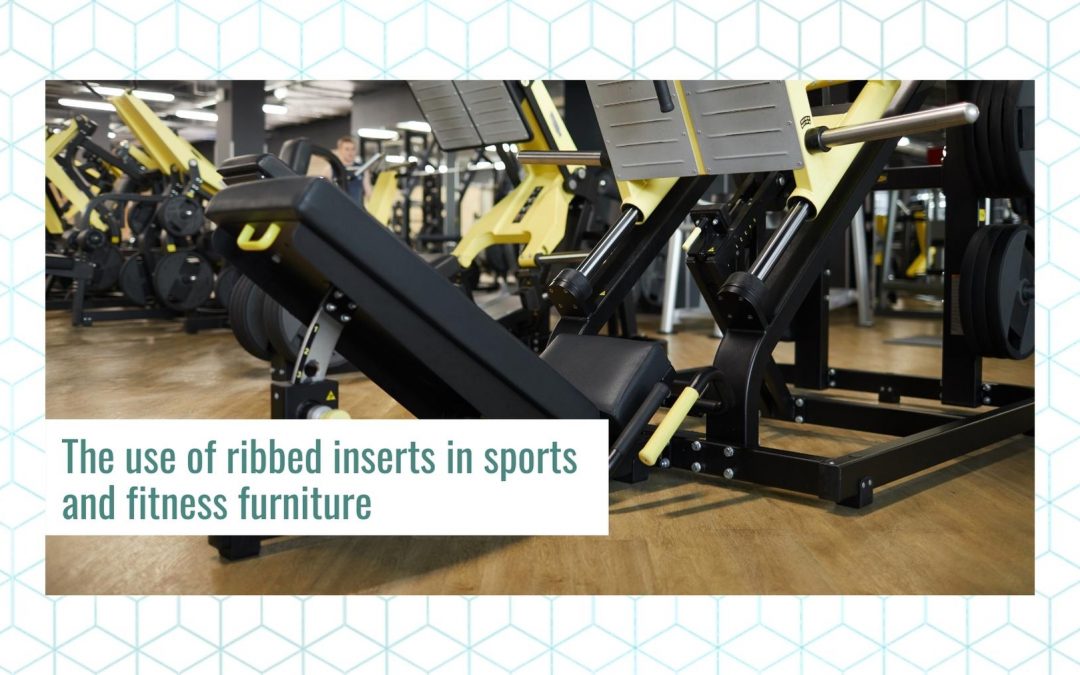
Ribbed inserts are elements that help protect furniture or different accessories and offer a better experience to the end user. We can find tips for chairs, tables, metal structures, crutches… even for fitness furniture. In this article we will focus on talking about the latter, about the ribbed inserts for sports and fitness furniture, which significantly help the safety and functionality of gym materials and furniture.
What are the uses of ribbed inserts in sport?
As we mentioned at the beginning, ribbed inserts are protection devices that are used to cover the legs of chairs, tables, or other types of furniture for different purposes. Its functionality is more than proven, especially in tips for sports. For this reason, first and as a preliminary step, we will quickly review the function of the ribbed inserts of the furniture of a gym. In this way, we will be sure that we can better understand the characteristics that these elements should have.
Features of ribbed inserts in sport
- They avoid noise: for example, when we lift a bench to exercise, or simply a chair in the locker room, the first reflex is to drag the furniture. However, a chair with ribbed inserts installed on its legs would eliminate these inconveniences associated with use and, therefore, a better user experience.
- Floor Protection: Just as furniture ribbed inserts prevent noise, they also keep scratches or marks on the floor. For this reason, it is advisable to choose the most suitable option for the type of floor on which the furniture is going to be used.
- Security: the ribbed inserts in sports allow guaranteeing the safe use of fitness equipment, which is the most important thing that any gym needs. The ribbed insert is your perfect product, because, thanks to its implementation, it allows you to minimize any type of risk. Like, for example, that a client ends up slipping while doing some exercise.
Once the functionalities of the gym furniture corner pieces have been detailed, it is essential to highlight which furniture or accessories make up these types of spaces, to know where to incorporate the ribbed inserts.
What is the ribbed insert furniture in gyms?
The most common set of sports furniture in a gym consists of the following elements:
- Phenolic cabins, which protect the privacy of users while they shower or change clothes.
- Benches to sit on, lean on, and drop off bags or clothes when you’re fully kitted out and ready for physical activity
- Phenolic lockers for users to store clothing, sports bags, and other items.
- Fitness materials. They are all the accessories that help to carry out bodybuilding exercises in a gym. Among them, we highlight the benches to do weights.
The ribbed inserts are very valuable elements for all this material. For example, in benches without a backrest, it is recommended to place ribbed inserts at the ends of the structure to ensure that the furniture does not move as a result of an uneven floor, for example.
FORTAPS: specialists in ribbed inserts manufacturing
The sport ribbed inserts placed at the ends of the furniture are an essential element to achieve the best experience for the end user. For this reason, its incorporation into the manufacturing and assembly chain of certain types of structures is essential. Especially for those pieces whose use implies some type of movement.
All these properties are fulfilled perfectly at the end of our products manufactured by FORTAPS. In addition, we adapt to the needs of each client, offering you individual solutions. And, above all, always complying with the quality parameters according to ISO 9001:2015.
Do you want to know more? Contact us and we will solve your query.